Allergy season in Idaho can be a challenging time for many families, especially those living in Meridian. The beautiful blooms and vibrant greenery come with a downside: an uptick in pollen and other allergens. These can infiltrate homes, making it difficult to keep indoor environments clean and free of allergens. Fortunately, there are effective strategies to mitigate these challenges and maintain a healthy living space.
Whether you’re dealing with pollen, dust, or other common allergens, understanding how best to clean and organize your home can make a significant difference. Below, we delve into practical tips and methods that Meridian families can employ to combat allergy season efficiently.
Understanding Common Allergens in Meridian
Meridian, like many parts of Idaho, experiences a range of allergens that can affect indoor air quality. Pollen is the most notorious, with trees, grasses, and weeds releasing it into the air during various times of the year. In spring, tree pollen is prevalent, while summer introduces grass pollen, and fall sees an increase in weed pollen. Dust mites and pet dander further contribute to indoor allergens throughout the year.
Understanding these allergens and their peak seasons can help families prepare and implement appropriate cleaning measures. Regular monitoring of local pollen counts can also provide valuable insights, allowing residents to adjust their cleaning routines or limit outdoor exposure during high pollen days.
Effective Cleaning Techniques
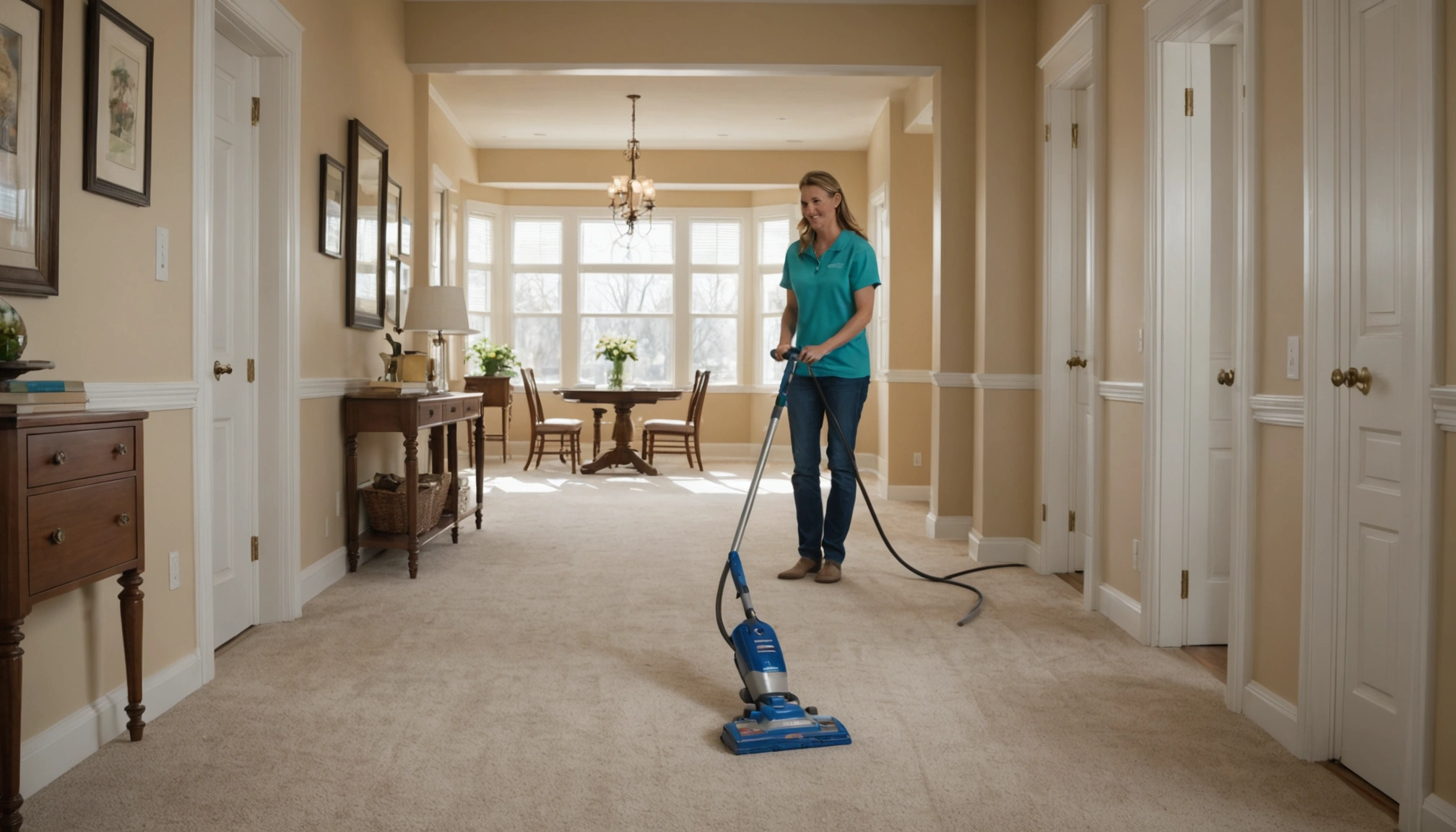
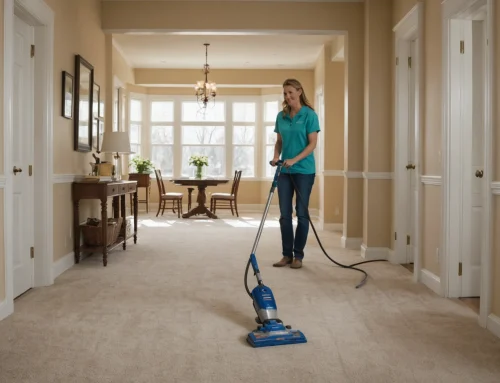
Implementing an effective cleaning regime is crucial in managing allergens indoors. Vacuuming with a HEPA filter can significantly reduce dust and pollen levels. It’s essential to vacuum all floors, upholstery, and even walls weekly. Dusting should be done with a damp cloth to avoid stirring up allergens.
Using an air purifier with a HEPA filter can further enhance indoor air quality. These devices can capture tiny particles that regular cleaning might miss, providing an additional layer of protection against allergens. Placing purifiers in high-traffic areas like living rooms and bedrooms can be particularly beneficial.
Optimizing Home Ventilation
Proper ventilation plays a vital role in maintaining a clean home environment during allergy season. Opening windows might seem counterproductive, but during times of low pollen counts, it can help circulate air and remove indoor pollutants. However, on high pollen days, it’s advisable to keep windows closed and rely on air conditioning systems equipped with clean filters.
Regular maintenance of HVAC systems is critical. Replacing filters every three months or more frequently during peak allergy seasons can prevent the recirculation of allergens. Consider installing a high-efficiency air filter to capture smaller particles and improve overall air quality.
Creating a Pollen-Free Zone
Designating a specific area of the home as a pollen-free zone can provide a sanctuary for allergy sufferers. Ideally, this would be a bedroom where individuals spend considerable time resting. Keeping windows closed and ensuring this area is off-limits to pets can significantly reduce allergen exposure.
Additionally, using hypoallergenic bedding and regularly washing sheets in hot water can eliminate dust mites and other allergens. Consider using allergen-proof mattress and pillow covers for added protection.
Smart Landscaping Choices
Outdoor spaces can be optimized to minimize allergen exposure. Choosing low-pollen plants and keeping grass trimmed can reduce the overall pollen count around your home. Consider installing hardscaping features like patios and walkways, which are easier to clean and less likely to harbor pollen than lawns or flowerbeds.
For those unsure about which plants are best suited for allergy sufferers, consulting with a local horticulturist can provide guidance. They can recommend native plants that are both beautiful and low in pollen production, helping to maintain an attractive outdoor space without exacerbating allergies.
Maintaining Outdoor Cleanliness
Regularly cleaning outdoor areas is as important as indoor cleaning. Power washing decks, patios, and driveways can remove pollen and dust that accumulate over time. Additionally, frequently hosing down outdoor furniture can prevent pollen from being brought inside.
It’s also wise to establish a routine for cleaning gardening tools and equipment to ensure they don’t carry allergens. Storing them in a shed or garage can further minimize pollen exposure.

Adopting Allergy-Friendly Habits
Beyond cleaning, adopting specific habits can further help in reducing allergen exposure. Changing clothes and showering immediately after coming inside can prevent pollen from spreading throughout the home. Developing a habit of leaving shoes at the door can also reduce the introduction of outdoor allergens indoors.
For families with pets, regular grooming and bathing are vital. Pets can carry allergens in their fur, so ensuring they’re cleaned frequently can help maintain a healthier home environment. Keeping pets out of bedrooms and off furniture can further reduce allergen accumulation.
Education and Awareness
Staying informed about allergy triggers and management can empower families to take proactive measures. Utilizing resources such as the EPA’s guide on indoor air quality or the Mayo Clinic’s resources on allergies can provide valuable insights into managing allergens effectively.
Subscribing to local pollen forecasts and allergy alerts can also help families plan their activities and cleaning schedules accordingly. Knowledge is power, and staying educated ensures families can adapt quickly to changing conditions.
Takeaways
Managing a clean and allergen-free home during Idaho’s allergy season is entirely achievable with the right strategies. By understanding local allergens, implementing effective cleaning techniques, optimizing home ventilation, and adopting smart habits, Meridian families can significantly reduce their exposure to allergens.
Staying informed and proactive not only ensures a healthier living environment but also improves the overall quality of life for allergy sufferers. With these tips and techniques, families can enjoy the beauty of Idaho’s seasons without the discomfort of allergies.
In addition to the fundamental strategies outlined, there are several advanced techniques and community resources that can further aid in keeping homes cleaner during the allergy season. By leveraging these resources, families in Meridian can make informed decisions that enhance their home environments.
Innovative Cleaning Products and Tools
The market offers a plethora of innovative cleaning products specifically designed to tackle allergens. High-efficiency particulate air (HEPA) vacuum cleaners and air purifiers are just the beginning. Explore additional tools like robotic vacuums equipped with advanced filtration systems that can autonomously clean and reduce allergens on a daily basis.
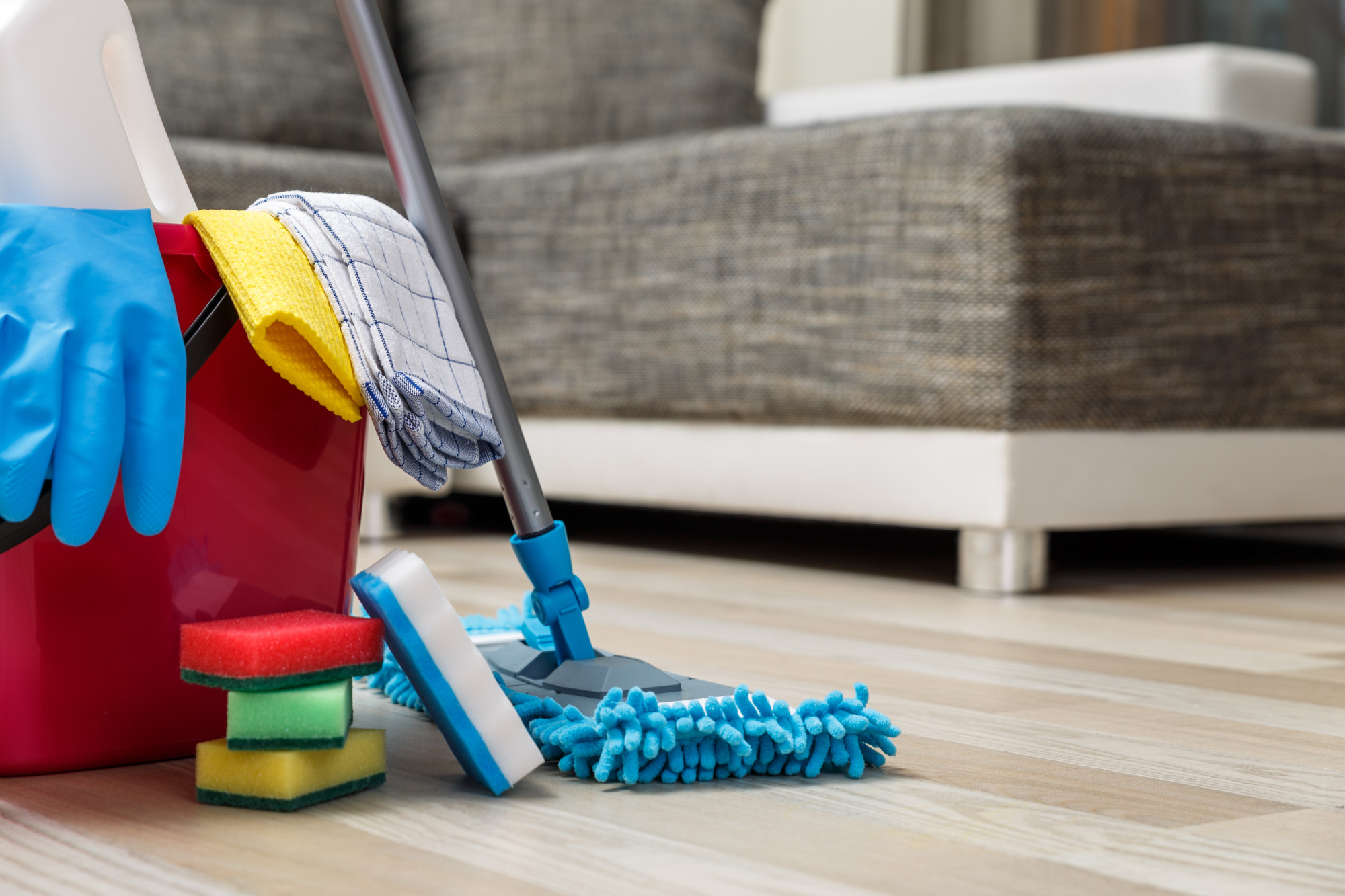
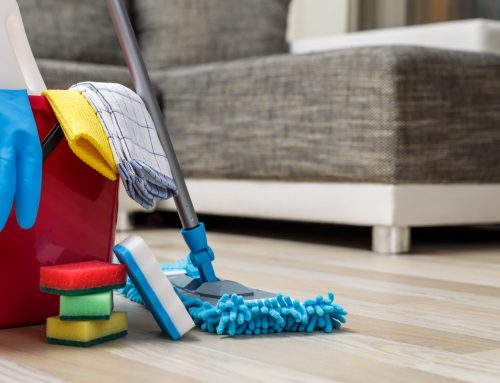
Consider using microfiber cloths for dusting, which are more effective at trapping dust and allergens compared to traditional cotton cloths. For those looking to avoid chemical cleaners, natural alternatives such as vinegar, baking soda, and lemon can be used to create effective homemade cleaning solutions. These are not only eco-friendly but also safe for household use, reducing chemical exposure that could exacerbate allergies.
Utilizing Smart Home Technology
Smart home technology offers significant advantages in managing allergens. Devices like smart thermostats and air quality monitors can provide real-time data on indoor air conditions, allowing you to adjust your cleaning routines accordingly. These technologies can often be integrated with home automation systems to optimize air quality seamlessly.
For instance, smart thermostats can be programmed to cycle air purifiers when allergen levels rise. Meanwhile, smart blinds can be set to close during peak pollen times, reducing the amount of pollen entering through windows. By leveraging these technologies, families can maintain a cleaner home environment with minimal manual intervention.
Community Support and Resources
Meridian offers a range of community resources that can assist families in managing allergens. Local health departments and environmental agencies often provide updates on pollen counts and air quality alerts. Subscribing to these resources can keep you informed about potential allergen spikes and prompt timely cleaning or preventive actions.
Community workshops and seminars on allergy management and sustainable living can also provide valuable insights. Participating in these events can help families learn from experts and share experiences with others facing similar challenges. Often, these forums can introduce new products or methods that have been effective for other local residents.
Collaborating with Professional Cleaning Services
For those seeking additional support, professional cleaning services specializing in allergen reduction can be invaluable. These services often employ advanced cleaning techniques and equipment that may be difficult to replicate at home. By scheduling regular deep-cleaning sessions, families can ensure areas that are hard to reach or easy to overlook are thoroughly cleaned.
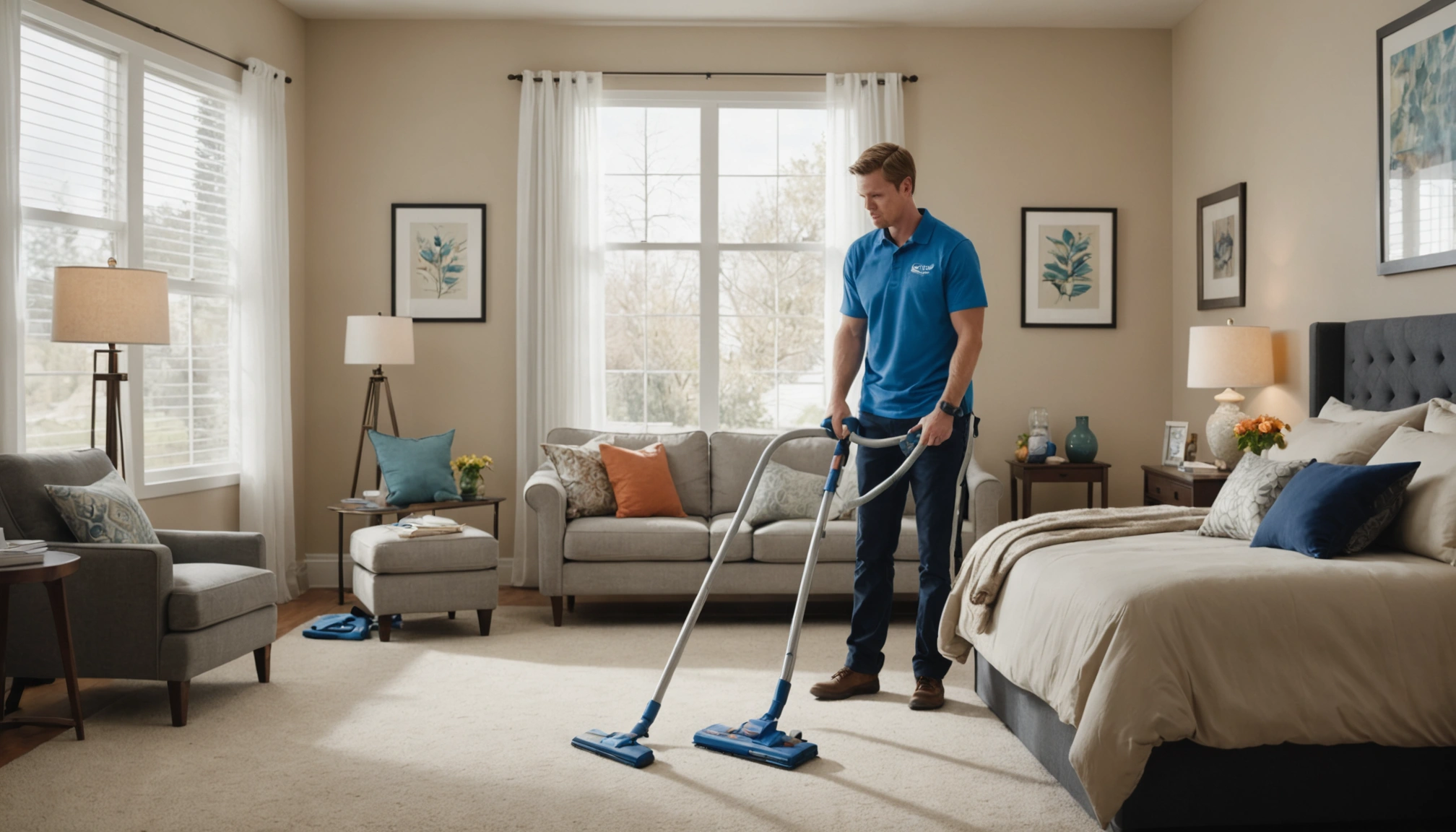
When selecting a cleaning service, ensure they use eco-friendly and hypoallergenic products. Discuss your specific needs and any allergy concerns you have, so the service can tailor their approach to best suit your home environment. This collaboration can significantly reduce the allergen load in your home, providing relief during peak allergy seasons.
Long-Term Prevention Strategies
To maintain a clean home environment year-round, consider adopting long-term prevention strategies. Regular home maintenance, such as sealing windows and doors, can prevent outdoor allergens from entering. Installing high-quality weather stripping and using door sweeps can help in maintaining an airtight seal.
Landscaping is another area where long-term strategies can pay off. Consider planting a barrier of trees or shrubs that can act as a natural filter against wind-borne pollen. Maintaining healthy soil with organic mulch and using drip irrigation systems can reduce dust and other allergens that might otherwise become airborne.
Creating an Allergy-Free Lifestyle
Beyond physical cleaning measures, lifestyle changes can also play a crucial role in managing allergies. Dietary adjustments and stress management practices can help improve the body’s resilience to allergens. Consuming local honey, for instance, is a popular natural remedy believed by some to build immunity against local pollen.
Integrating practices such as yoga or meditation can reduce stress, which is known to exacerbate allergy symptoms. Encouraging regular physical activity can also bolster the immune system, making it less reactive to allergens. By fostering a holistic approach to health and well-being, families can better navigate the challenges of allergy season.
Embracing a Cleaner, Healthier Home
In conclusion, keeping a home clean during Idaho’s allergy season involves a combination of practical cleaning methods, innovative technology, community resources, and lifestyle adjustments. By understanding the specific allergens present in Meridian and utilizing both traditional and modern strategies, families can significantly reduce their exposure to allergens.
By taking proactive steps and leveraging available resources, you can create a sanctuary that is both comfortable and healthy. As you implement these strategies, remember that consistency is key. Regular maintenance and cleaning, combined with informed lifestyle choices, will ensure that your home remains a refuge from the challenges of allergy season.
Embrace the tools, resources, and community support available, and transform your home into a cleaner, healthier space that offers relief and comfort throughout the year. With these comprehensive approaches, you can look forward to enjoying the beauty of Idaho’s natural surroundings without the burden of allergies.
As you put these strategies into practice, it’s essential to monitor the effectiveness of your efforts. Keeping a journal to track allergy symptoms and any corresponding changes in your cleaning routine can be insightful. This practice can help identify which strategies are most effective and where adjustments might be needed.
Evaluating and Adjusting Your Approach
Regular evaluation allows for a dynamic approach to home cleaning and allergy management. Over time, you may find that certain methods work better during specific seasons or that new technologies offer improved results. Stay informed about the latest in allergy research and cleaning innovations to continuously refine your approach.
Engage with online forums and local community groups where other Meridian families share their experiences and solutions. These interactions can provide new perspectives and ideas that you might not have considered. Sharing your successes and challenges can also contribute to a collective knowledge base that benefits everyone facing similar issues.
Building a Supportive Community
Ultimately, managing a home during allergy season is not just about individual efforts but also about community support. By fostering connections with neighbors, participating in local initiatives, and advocating for community-wide environmental health measures, you can contribute to creating a healthier environment for all.
Through collaboration and shared learning, Meridian families can develop a robust network of support, ensuring that everyone has access to the resources and knowledge needed to keep their homes cleaner and healthier throughout the allergy season and beyond.
Share this article
Related Posts






Follow us
A quick overview of the topics covered in this article.